

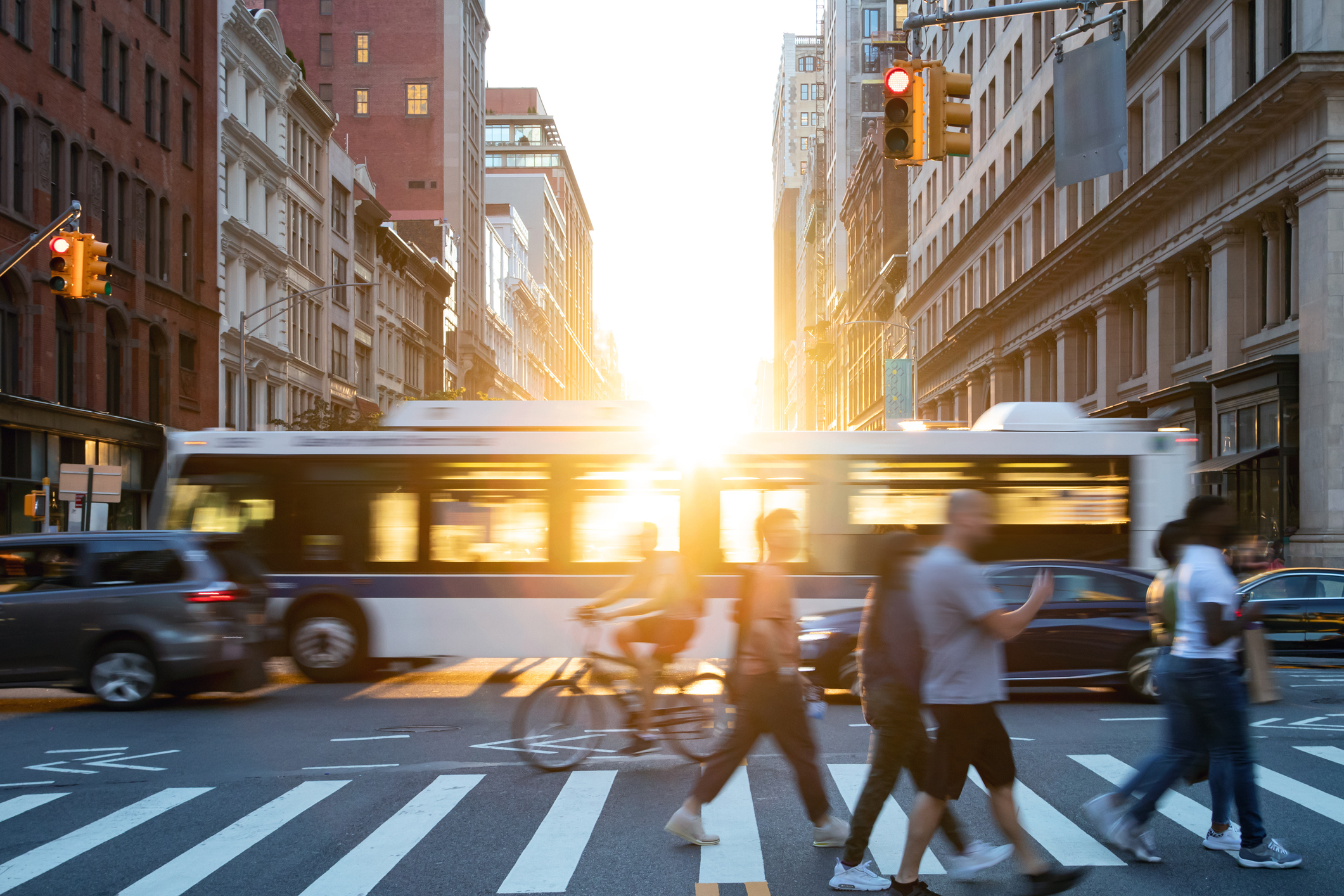
Pedestrians are among the most vulnerable road users.
When a collision occurs, the consequences are often severe — including life-altering injuries or even death.
If you have been struck by a vehicle, understanding how liability works in Ontario can significantly impact your claim.
Why Pedestrian Accidents Are So Serious
Unlike drivers, pedestrians have no vehicle or physical barrier to shield them from the force of an impact.
Even low-speed collisions can result in:
- Head injuries
- Fractures
- Internal injuries
Common Causes of Pedestrian Accidents
- Drivers failing to yield at crosswalks
- Left-turn collisions
- Distracted driving
- Speeding in residential areas
The Reverse Onus Rule in Ontario
One of the most important legal principles in pedestrian cases is the reverse onus rule.
This means:
👉 The driver must prove they were NOT negligent
This creates a strong advantage for injured pedestrians.
Does This Mean Drivers Are Always at Fault?
No — but it shifts the burden of proof.
Drivers may argue:
- The pedestrian crossed unsafely
- Visibility was limited
- The accident was unavoidable
Each case depends on the facts.
Compensation Available
Pedestrian accident victims may be entitled to:
Accident Benefits
- Medical expenses
- Income replacement
- Rehabilitation
Lawsuit Compensation
- Pain and suffering
- Lost income
- Future care costs
What to Do After a Pedestrian Accident
- Seek medical attention immediately
- Report the accident
- Document injuries and the scene
- Speak to a lawyer as soon as possible
Common Mistakes
- Delaying treatment
- Assuming fault
- Accepting early settlements
FAQ
Do I need to be in a crosswalk to have a claim?
No — liability depends on the circumstances.
Can I still recover compensation if I was partially at fault?
Yes — compensation may still be available.
Final Thoughts
Pedestrian accident claims are often strong — but require proper handling.
If you were injured in Burlington, Hamilton, Oakville, Halton, or Mississauga, contact Martin & Hillyer Associates.